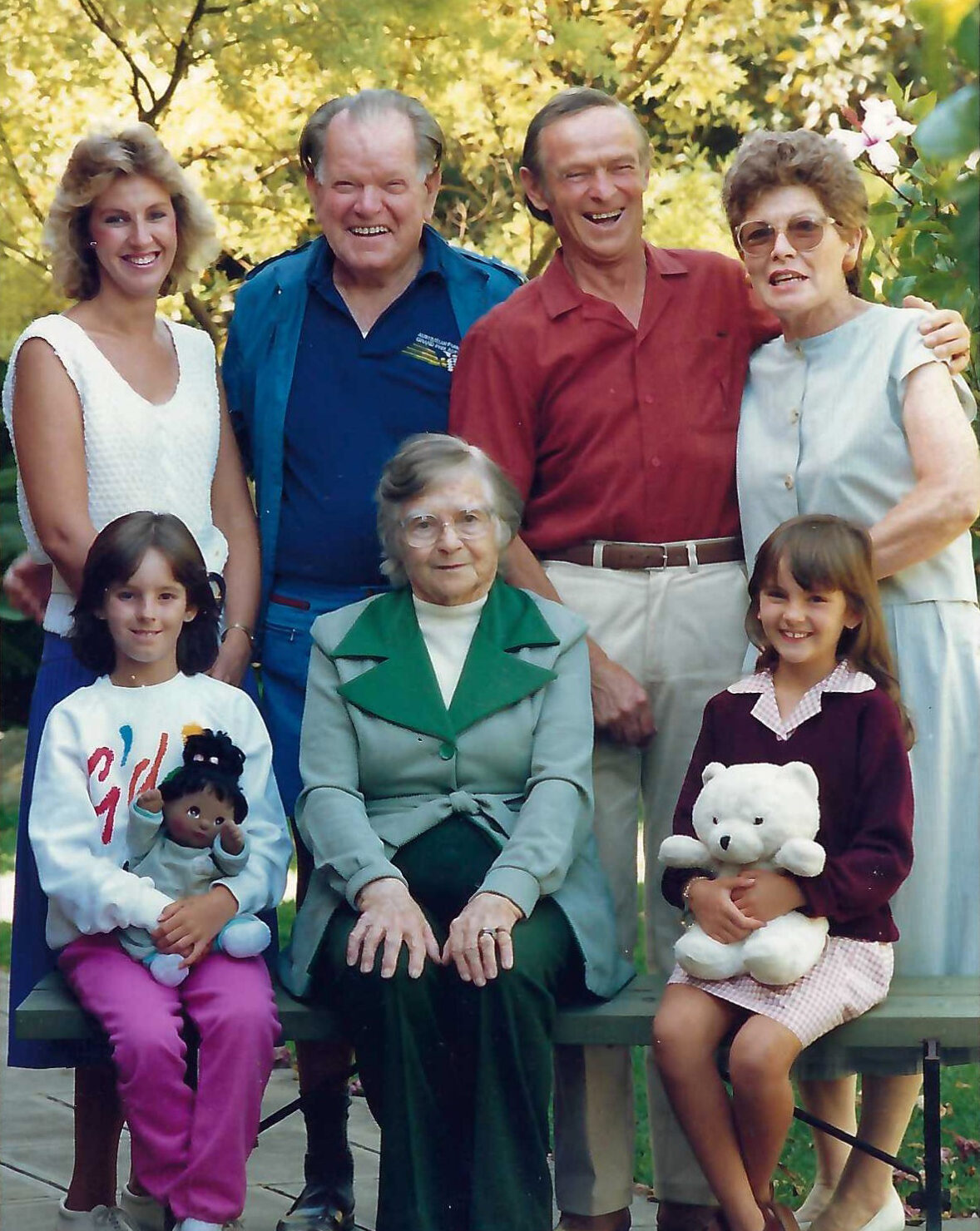
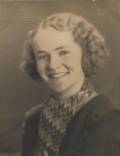
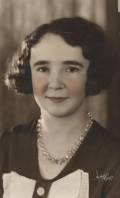
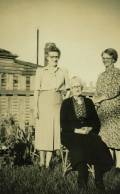
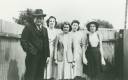
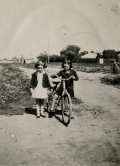
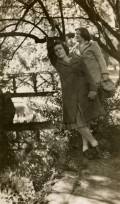
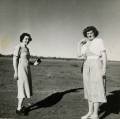
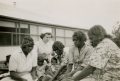
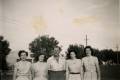
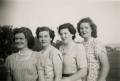
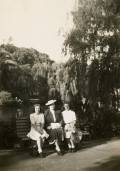
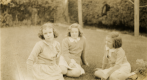
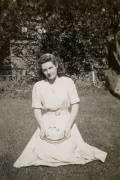
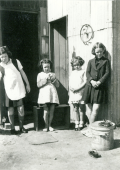
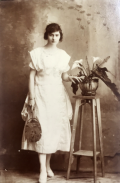
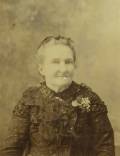
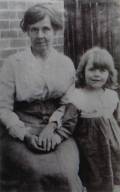
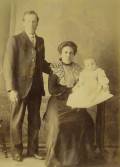
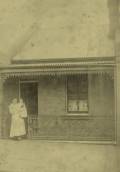
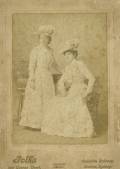
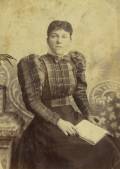
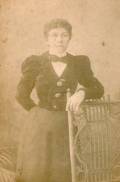
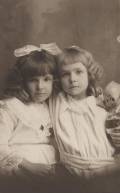
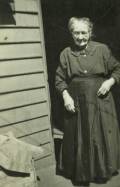
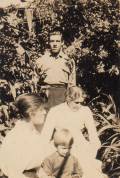
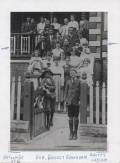
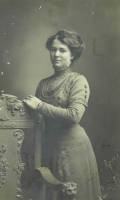
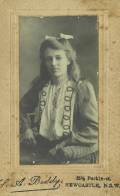
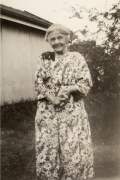
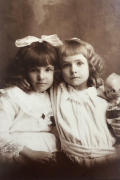
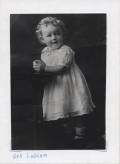
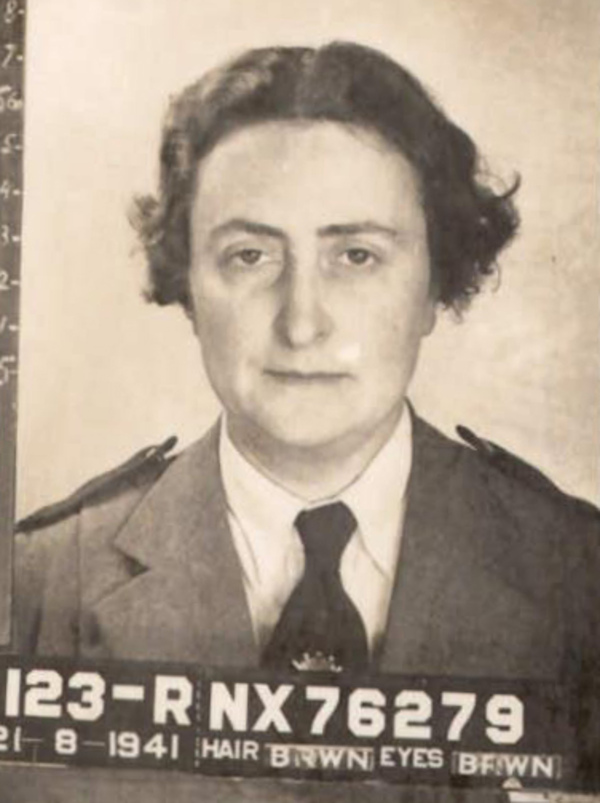
Dorothy Agnes Ludlam was born on 1st August 1901 to Alfred and Florence Ludlam at their home at 496 Parramatta Road, Petersham in Sydney.
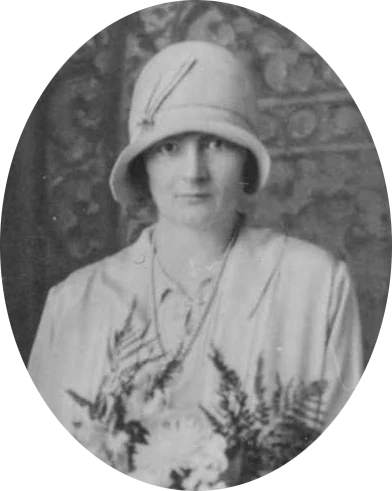
Her Early Life
She was baptised on 25th August 1901 at St Thomas Church, Lewisham.
Dot was the third of six children. Her father worked for many years as a Linotype Mechanic at The Sydney Morning Herald, a job that no longer exists. Two of Dot’s brothers also worked there, and, later on, two of her nephews.
The family called her “Dolly”. Decades later, she still signed letters to them as “Dolly”, and they addressed her the same in their letters. As a child, Dot’s family lived at Lower Botany (Bay View Terrace, Botany Road), Hurstville (52 Bristol Road), and Kogarah. Dot’s nephew Tom Moore records that the “family apparently made a happy home. Dot often spoke of her love for her siblings and in particular Tom, Florence and Emily.” Dot attended Sacred Heart Primary School in Randwick. For her secondary education, she attended St Brigid’s College, Randwick (now Brigidine College Randwick).1
She won a bursary to attend the school, an achievement which was a matter of pride for the whole family. Dot was an excellent scholar. Received family history is that she was the youngest female student to have passed the Leaving Certificate examination in New South Wales up to that time. (She was aged 16 years 3 months at the time of the examinations in November 1917).2
The Freeman’s Journal, 31st January 1918, page 15, published the Leaving Certificate examination results for Catholic schools. Dot has results listed for four subjects. She achieved a first class pass for Mathematics I and Mathematics II, and a second class pass for English and Art.3
Dot’s younger sister Josie obviously admired her cleverness, as late in her life she still had “Dorrie’s” algebra school book.4 (Dot herself had four bright and talented daughters. Alf always credited her as the source of their intelligence).
| 1 | See https://bcrandwick.syd.catholic.edu.au/. |
| 2 | See https://trove.nla.gov.au/newspaper/article/15760264. |
| 3 | See https://trove.nla.gov.au/newspaper/article/116771372. In 1996, the NSW Board of Studies issued a “replacement statement” for Dot’s Leaving Certificate |
| 4 | Many years later, Josie’s son Ken Scarra sent copies of pages from the book to Dot’s daughter Kath Palyga. |
Dot & the Convent
After school, Dot apparently trained as a bookkeeper. In any event, by 1924 she was working at a firm of grocery wholesalers and distributors called Tillock & Company, of 255 Broadway, Glebe.5 She left the firm on 22nd May 1924 to go into a convent, as is apparent from a letter in her papers of that date from a co-worker, James C. Hart. The letter makes clear that Dot was friendly with Mr Hart and his wife. In the letter, Mr Hart refers to Dot’s “genuine nature”, and that:
“Always patient, obliging and impartial, you were surely intended for a vocation such as you have chosen. I can assure you you have left a host of admirers and well-wishers at Messrs Tillock & Coy. In fact I have never before witnessed more genuine sorrow than was expressed after your departure today. Our personal conversations I shall always remember.”
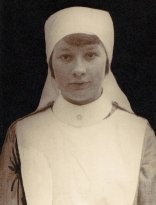
Dot, who was a devout Catholic all her life, then entered a convent to become a nun. Information received from Dot’s sister Josie Scarra via her son Ken was that her convent name was “S. M. Pauline”, presumably meaning “Sister Mary”6 Pauline.
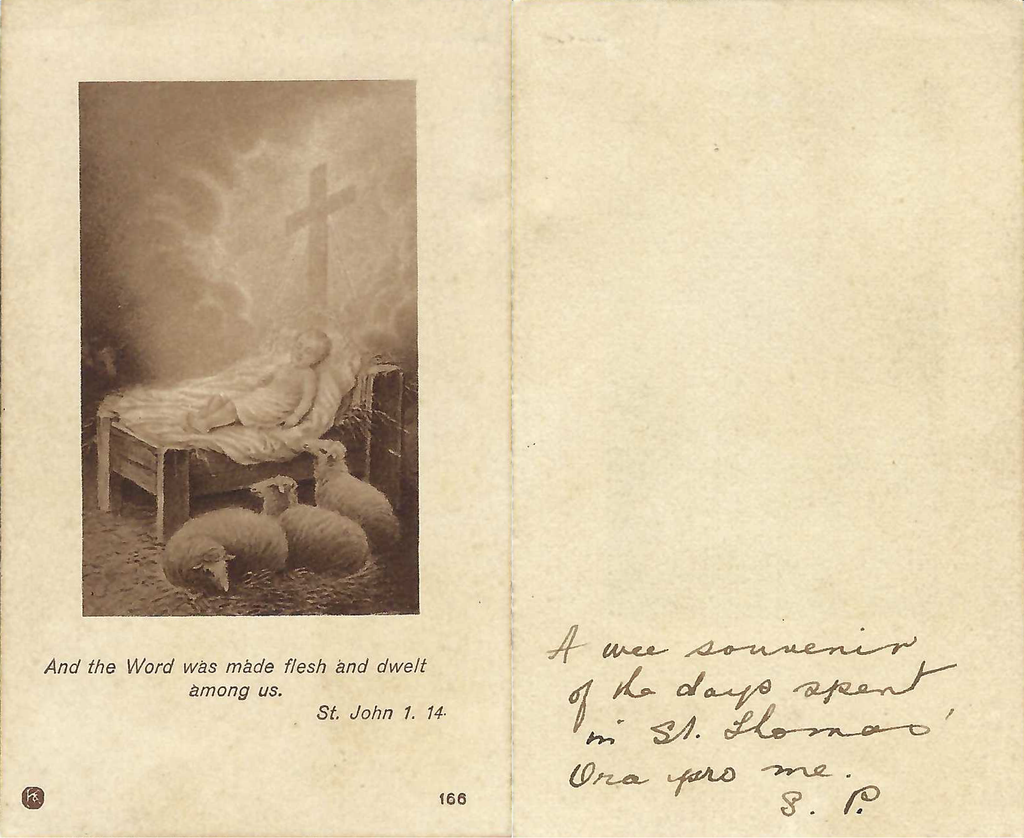
It appears from a religious memento in Dot’s papers that the convent concerned was that of the Sisters of the Little Company of Mary, a nursing order with a convent and hospital adjacent to the Church of St. Thomas in Lewisham,7 where Dot had been baptised.
A cryptic message on the back of the keepsake reads: “A wee souvenir of the days spent in St. Thomas. Ora pro me.8 S.P.” The reason Dot left the convent before taking final vows is unknown.
Dot’s Working Life
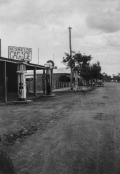
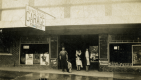
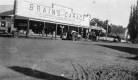
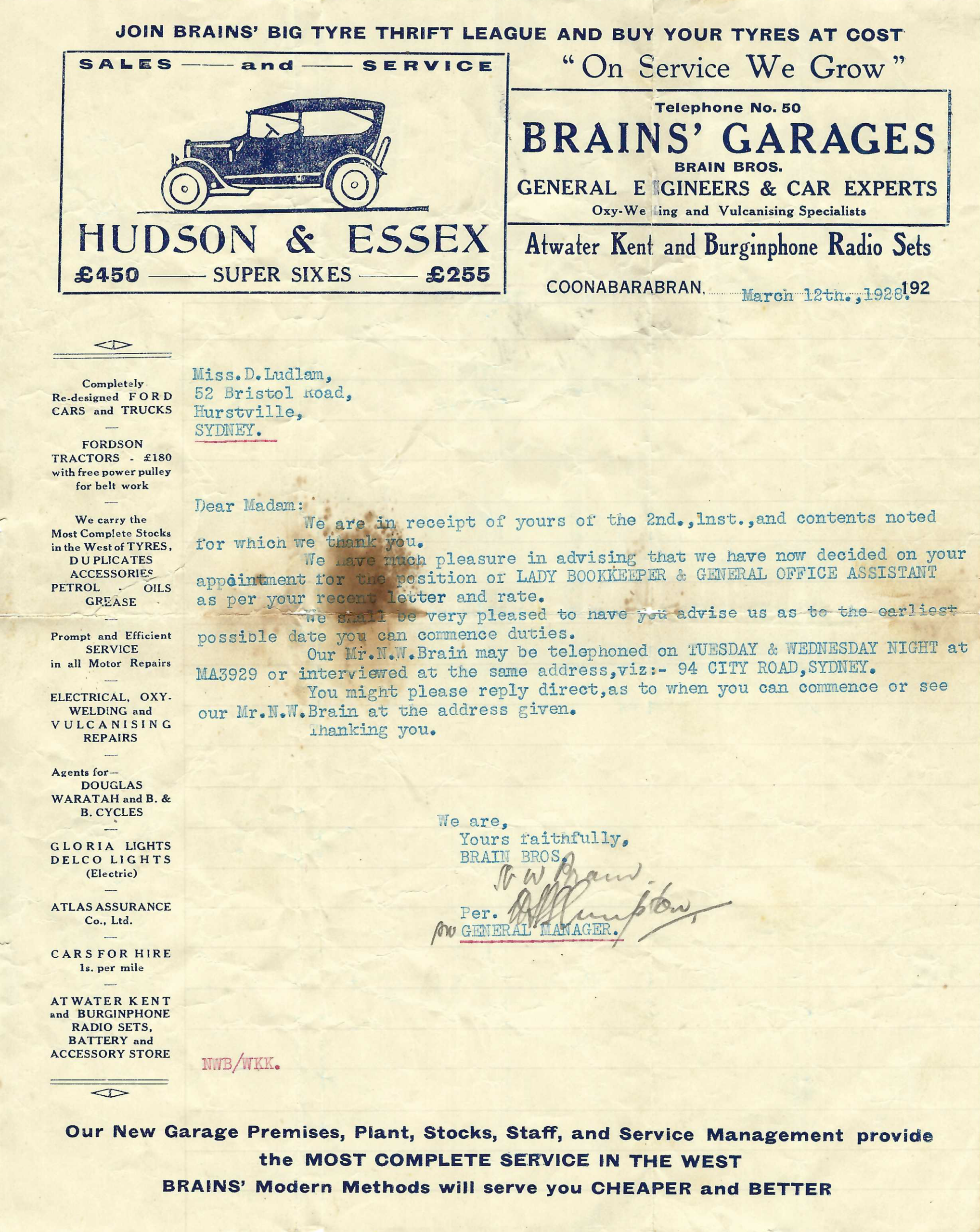
Dot subsequently applied for, and, in March 1928, obtained a position as “Lady Bookkeeper & General Office Assistant” at Brains’ Garages in Coonabarabran, some 300 miles by road north-west of Sydney in country New South Wales. The reason for such a move by a city girl away from her close-knit family is also unknown.
Alf Shields arrived at Brains’ Garages, probably not long after Dot, to take up a position as a motor mechanic. By September 1928, they were an item.
Dot was registered to attend the 29th International Eucharistic Congress, which took place in Sydney from September 6th to 9th, 1928.9 The Congress opened with the consecration of the newly completed St Mary’s Cathedral, where Dot was to marry the following year, and included a 500,000 strong street procession ending at the Cathedral.10
Despite being ticketed, Dot did not return to Sydney to attend the Congress, as, on 10th September 1928, the day after the street procession, Alf wrote to her in Coonabarabran saying: “It’s like show time the number of people in town. I just went and had a look at the crowd at St Marys yesterday – they were right down College St to the Museum.”
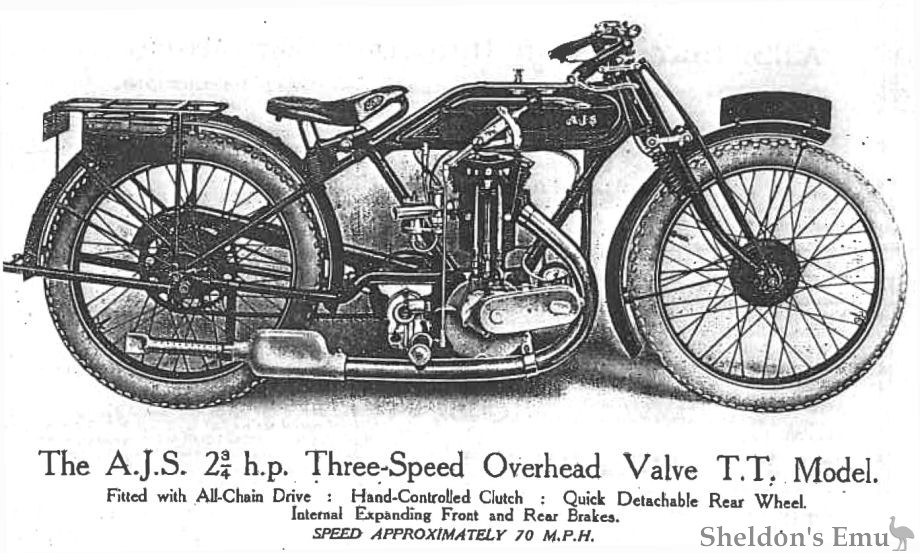
Alf had gone to Sydney looking for work, and also to trade in his motorbike on a car, according to the letter and three others he wrote to Dot in Coonabarabran at this time. One was signed “Pud”, another “Well keep single & sober I am the boy friend, Alf.” A third: “I remain the boy friend, Alf”.
The letters thoughtlessly (or, perhaps, calculatedly) dwell a lot on what party, show or night out Alf had attended or planned to, which no doubt would be aggrieving Dot some 300 miles away. An example: “Went to Mona’s 18th birthday party on Sat night – had a pretty good time, better not say too much.”
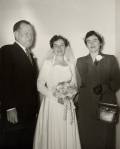
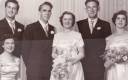
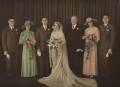
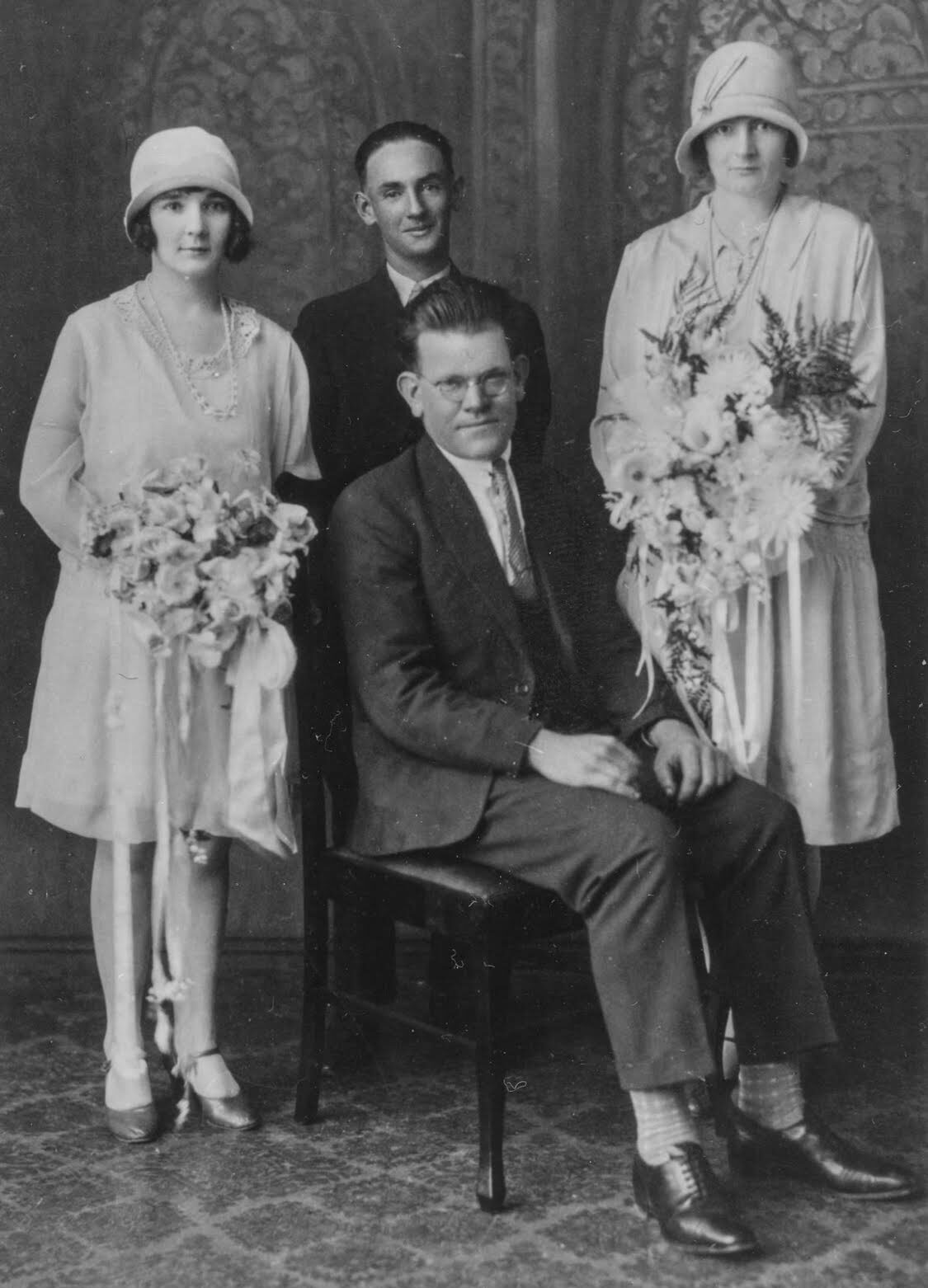
The following year, on 17th August 1929, Dot and Alf married at St Mary’s Cathedral in Sydney.
| 9 | Dot’s papers included a “Eucharistic Congress Membership Ticket” folder with her name on it, as well as the event’s Commemorative Medal (depicted at https://collections.museumsvictoria.com.au/items/56156). |
| 10 | See https://www.eucharist28.org/history-of-iec and https://dictionaryofsydney.org/entry/international_eucharistic_congress_1928. |
Family Life
The couple had moved back to Sydney by this time as the marriage certificate gives them both local addresses, and describes Dot’s occupation as “Domestic Duties”. The witnesses were John Moore, Alf’s best man and also his best friend (and who subsequently married Alf’s sister Nell), and Dot’s sister Josephine (Josie) Ludlam (subsequently Josie Scarra).
Alf and Dot moved to Portland (near Lithgow), where Alf got employment in a garage as a mechanic. Whilst living there, they had their first child, Kathleen, on 1st December 1929. Until they were found out in the 1980s, Alf and Dot hid the fact that their wedding was only 3½ months earlier to protect Kath.
There was also a second subterfuge at play. Many years later, after Dot got dementia in the late 1980s, it was discovered that she was actually 3½ years older than Alf, not 6 months younger as he thought. (Dot declared on the marriage certificate dated 17th August 1929 that she was aged 24 when she had just turned 28). No doubt Dot hid her real age due to the acute social stigma of the times surrounding a young woman who had not married by her mid-twenties.11
In 1930, with the onset of the Great Depression, Alf got the sack from the garage in Portland. He then rented an empty garage in Woodstock, west of Bathurst, and started his own automobile workshop, with Dot no doubt doing the bookkeeping.
The garage came with a house, but it was not immediately available, being occupied by a couple and their six children. So Alf and Dot lived in a curtained off corner of the workshop, with a kero primus for cooking, boiling water to wash baby Kathleen’s nappies, and so on. Dot was never heard to complain about the Depression’s privations (nor Alf for that matter).
Three more girls, Josie, Barbara and Bette, were born in Woodstock in quick succession. Dot’s daughter Josie remembers her often saying how much she enjoyed the time in Woodstock.
| 11 | See The Meaning of Singleness (excerpt) by Danielle Treweek, pages 13-14. Available at https://www.ivpress.com/Media/Default/Downloads/Excerpts-and-Samples/A0485-excerpt.pdf. |
Moving around
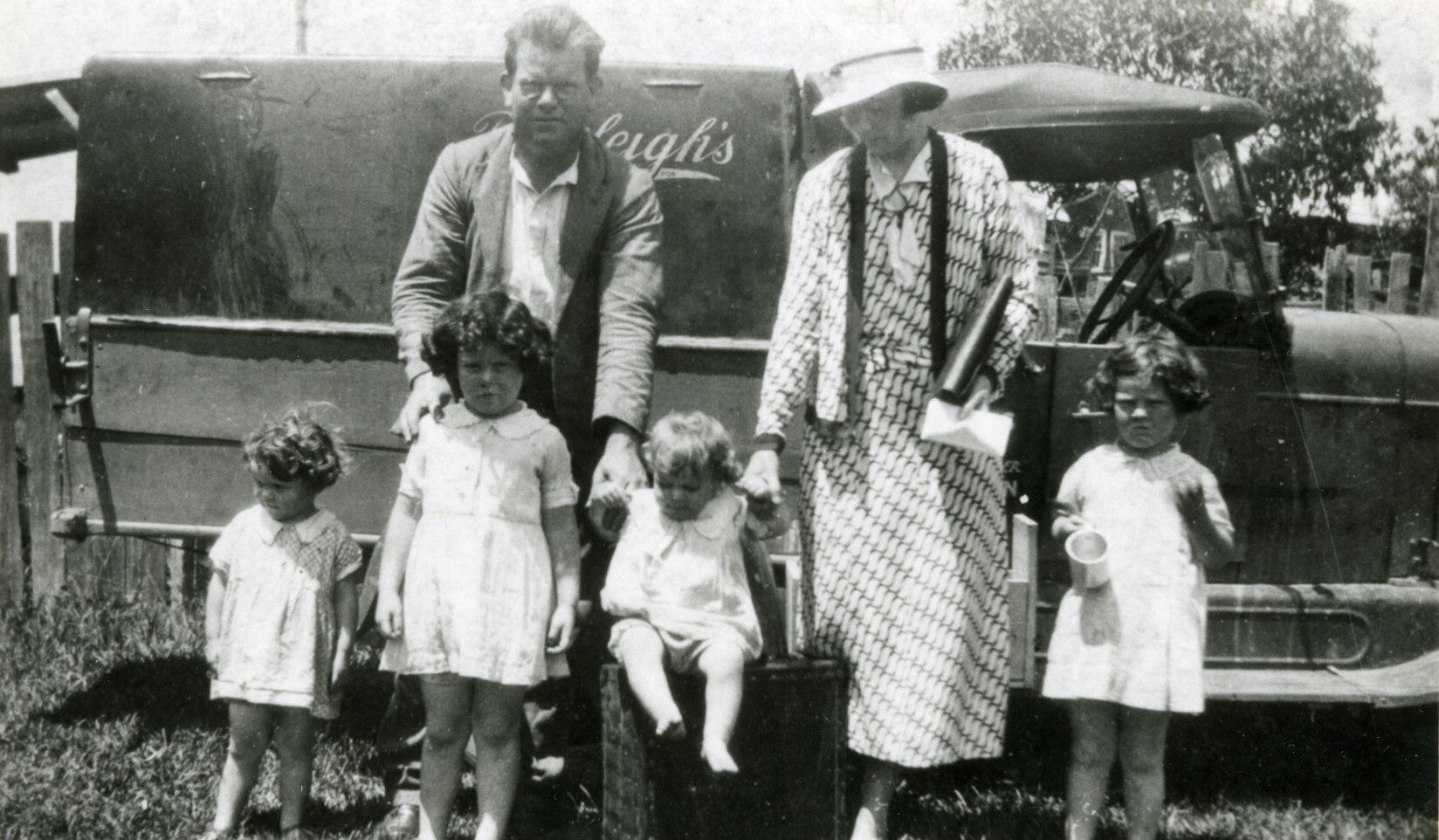
In 1934, as the Depression started to lift, Alf and Dot sold the Woodstock garage. They briefly lived in Bellingen in northern New South Wales, then moved back to Sydney. Alf working as a motor mechanic, and Dot with her hands full with four infant girls all born within the space of four years.13 In 1938, the family moved once again, this time to Stockinbingal in the central west of New South Wales. A friend of Alf’s, Ken Kerr, owned the hotel in town, and told Alf that the garage was vacant and available. Alf not only operated the garage, he also started a business of showing pictures in the town hall on Saturday nights. The latest films arrived by train from Sydney. Alf operated the projector, Dot manned the box office, and the girls were the ushers.
A year or two later, after the Second World War started, Dot took over the town’s deli and light meals business, apparently named “Kia Ora”, after the proprietor joined the Army. The four girls boarded just around the corner at St Ita’s Catholic Boarding School, operated by the Sisters of Mercy.
| 13 | Elizabeth, always known as Bette, the youngest, arrived in September 1933. |
In early 1942, Alf and Dot sold up their effects in Stockinbingal, and moved to Melbourne. Alf went to work in the war effort as an aircraft engineer at Essendon Airport.
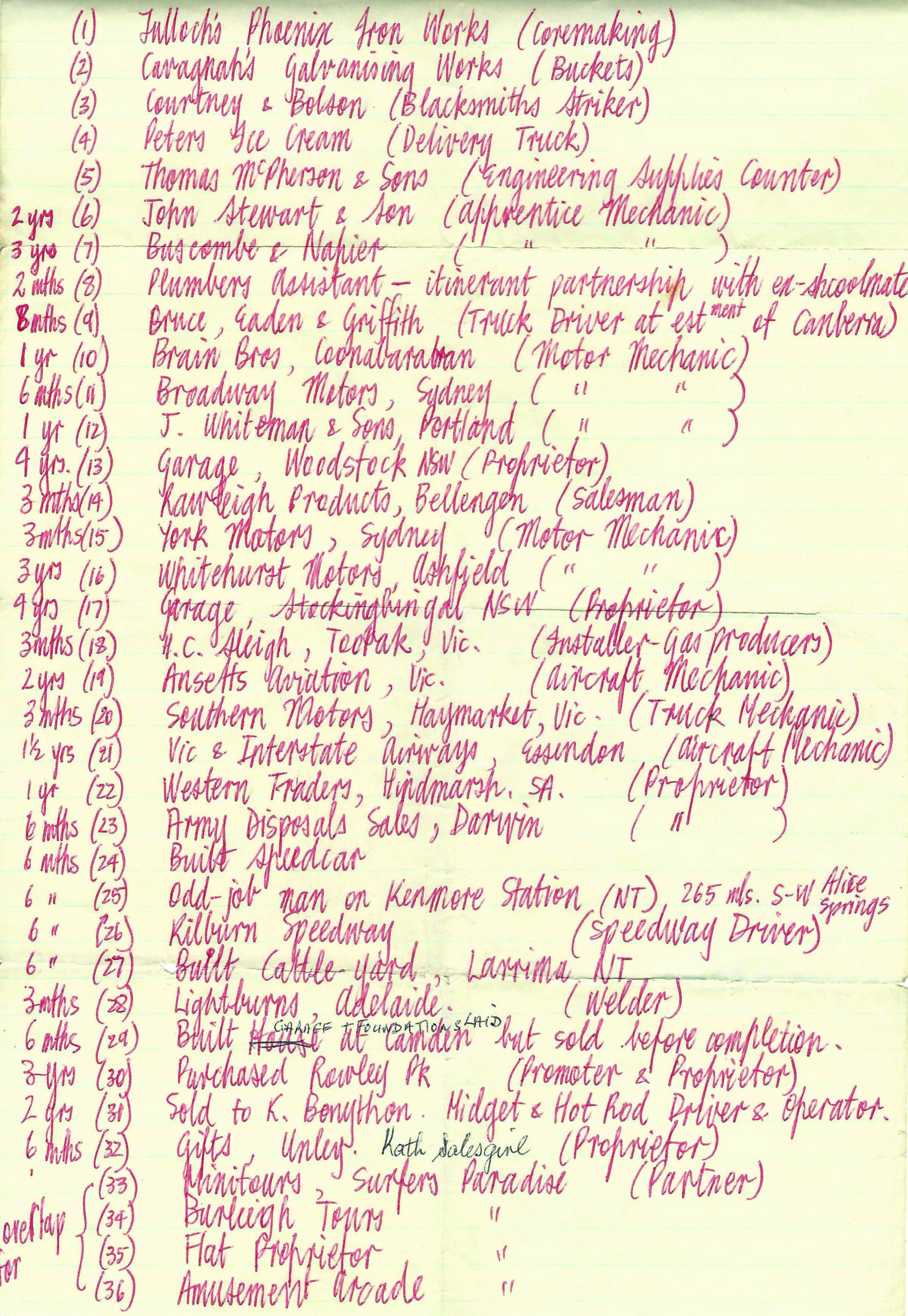
By later that year, Dot was operating a corner shop15 attached to their residence at 296 Barkers Road, Hawthorn, Kath and Josie helping out. She later had a shop on St Kilda Road, St Kilda, just south of St Kilda Junction.16 (In his memoirs, Alf said the couple operated a newsagency at Glenferrie, which is apparently a part of Hawthorn, and later on at St Kilda, so presumably these are the same two establishments). Because of the wartime shortage of sweets, Dot also started making and selling toffee and fudge, and later boiled lollies.
In 1943, the family moved to Bell Street, Coburg, where Dot ran a lending library and the family lived in the attached accommodation.
In June 1945, the family moved again, this time to Adelaide, and rented a property situated at 374 Port Road, Hindmarsh.17 This had upstairs accommodation, with kitchen and family areas on the lower floor, but also sufficient room there for Dot to establish a second-hand shop. She obtained a licence as a Second-hand Dealer. All four girls helped out in the shop. Later, Dot had a bric-a-brac shop on Unley Road at Unley.
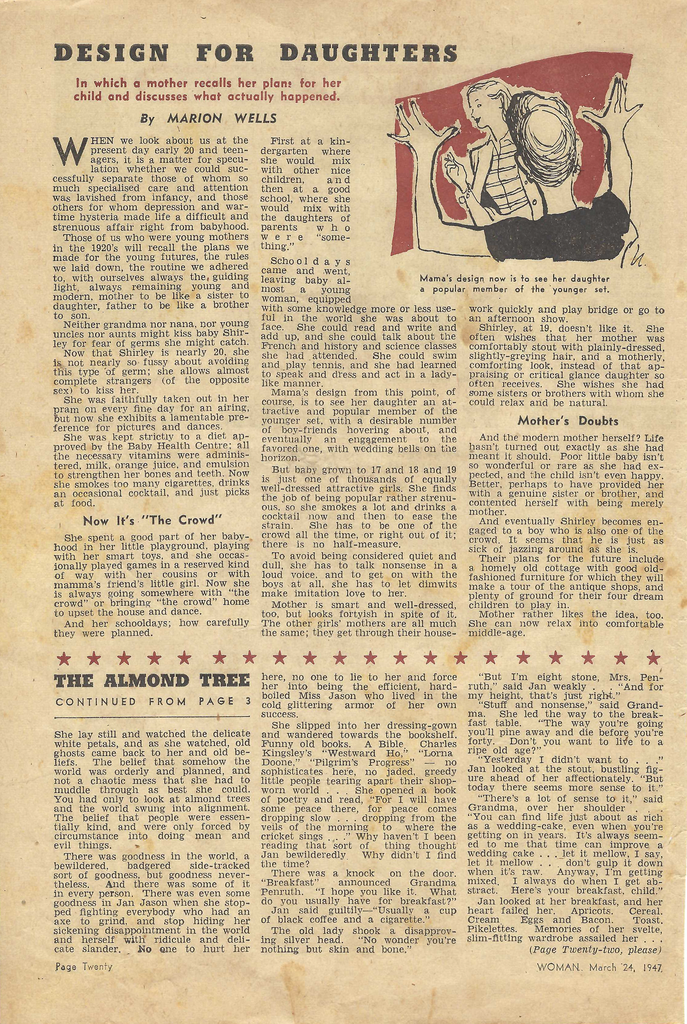
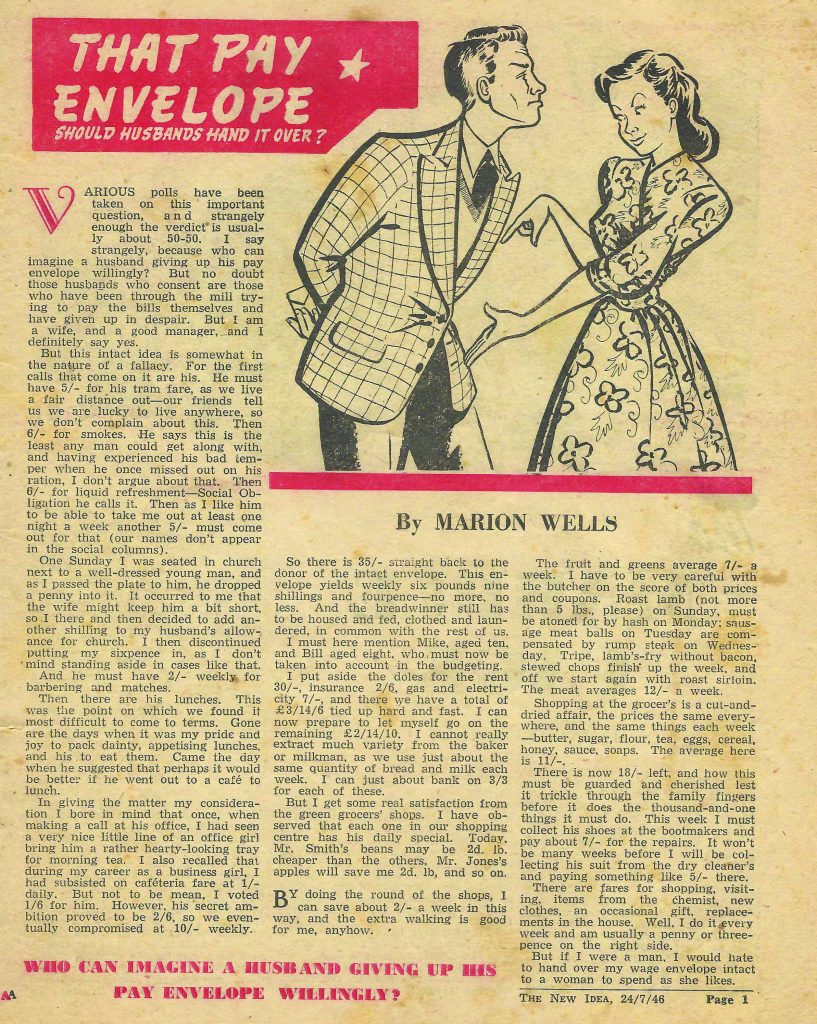
In the late 1940s, and apparently after doing a course in journalism, Dot submitted articles for magazines under the pseudonyms Marion Wells and Marsha Allen. Some were accepted for publication (by The New Idea and Woman magazine), and she got paid for her efforts.
| 15 | “Corner shops” in suburbs have now disappeared, but were common until the 1980s, with the proprietor’s family living out back. |
| 16 | Now a service station, the modern day vendor of most of what was previously offered at corner stores. |
| 17 | Subsequently demolished for a bank, and now a slip road to access the south-bound carriageway of the North-South Motorway from Port Road. |
Dot & the Speedway
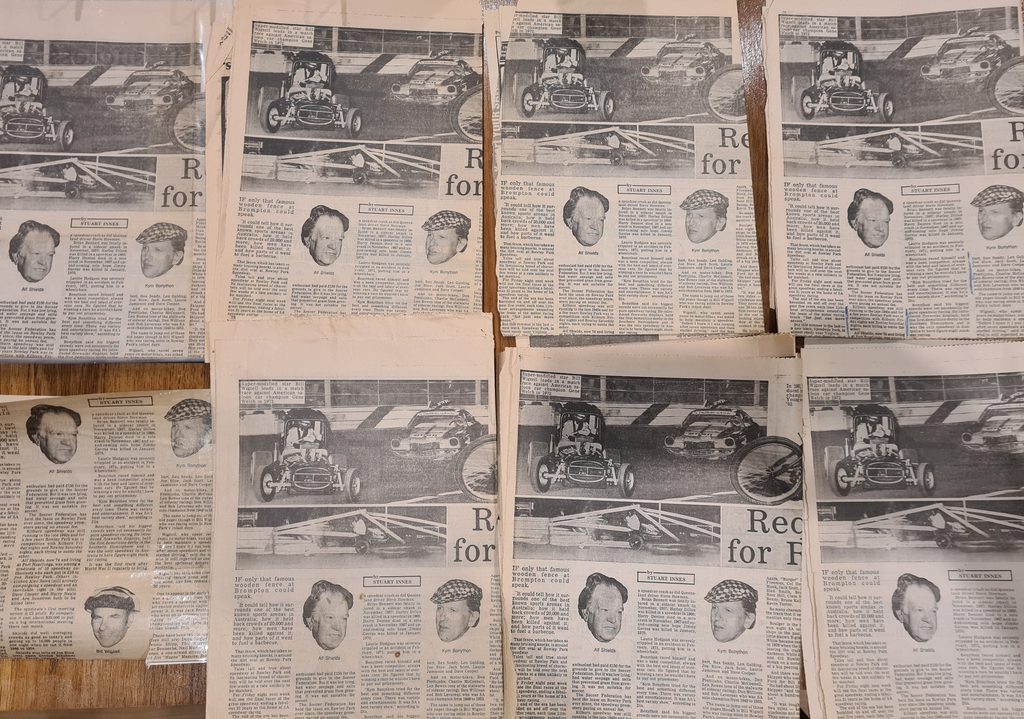
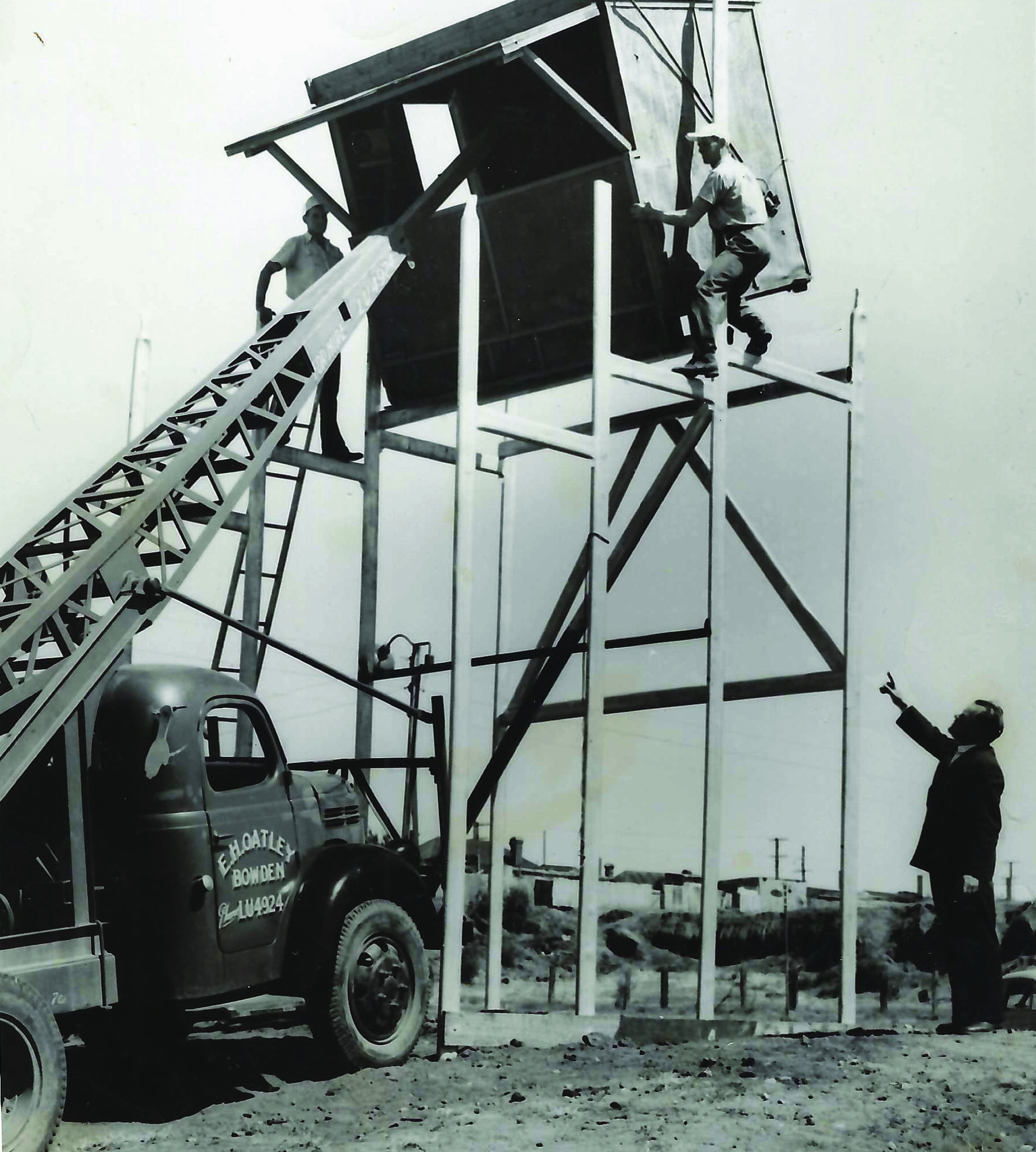
In 1951, Dot agreed with Alf to go into a speedway business together. Rowley Park Speedway Co Limited was subsequently set up with Dot and Alf as directors and equal shareholders, and Dot as Company Secretary and Public Officer, as well as “House Manageress” for all speedway meetings.
For the speedway’s third year of operation in 1954, Alf as Managing Director was paid £1,500 by the company, and Dot was paid £1,040 for her roles. Alf, as owner of all the speedway plant and equipment, leased it to the company for £450 per annum.
The family history, corroborated by the later recollections of drivers and racing enthusiasts of the time, is that the speedway business was a whole-of-family operation: Alf on the loudspeaker, organising and directing, and occasionally racing; Dot collecting admission and race entry fees, holding the cash, recording winnings and overseeing prize payouts; Josie acting as a timer and an official, and marshalling racers; and Kath also involved. Mick Palyga, who Kath married on 9th February 1952, was also involved. Alf gave him, or leased to him, a drinks concession at the track on speedway nights. Mick said: “They used to sell the drinks warm. I put them on ice in buckets and containers. Sales took off.”
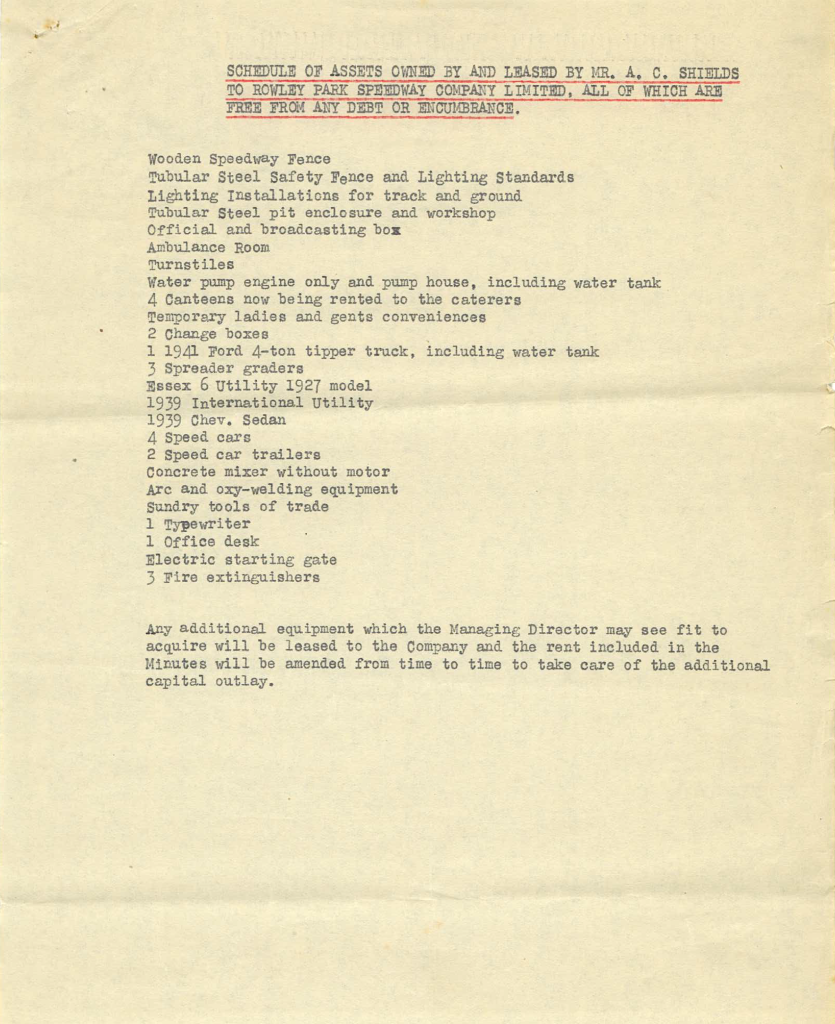
Alf and Dot operated the speedway very profitably for 3 years. At the company’s annual general meeting on 16th August 1954, it was noted that it had made a net profit of £3,051 in the previous financial year, enough to buy a reasonable house in Adelaide at the time.19 The shareholders agreed to pay Alf and Dot directors fees of £400, as well as a dividend of £683.10s each.
These sums, plus their salaries referred to above, amounted to sizeable incomes for the times, and the company still had surplus funds, which Alf and Dot resolved at a directors’ meeting on the same day be placed in savings accounts “until some future requirement for the same was found.”
Unfortunately, as the minutes of that directors’ meeting noted: “The Chairman [Alf] reported that he had been unsuccessful in his Tender and negotiations to the Soccer Association for a renewal of the lease of the Speedway grounds at Rowley Park.” Alf had no right of renewal in his expiring lease and, having taken the real risk and built the speedway into a successful operation, his tender for a new lease had been outbid.
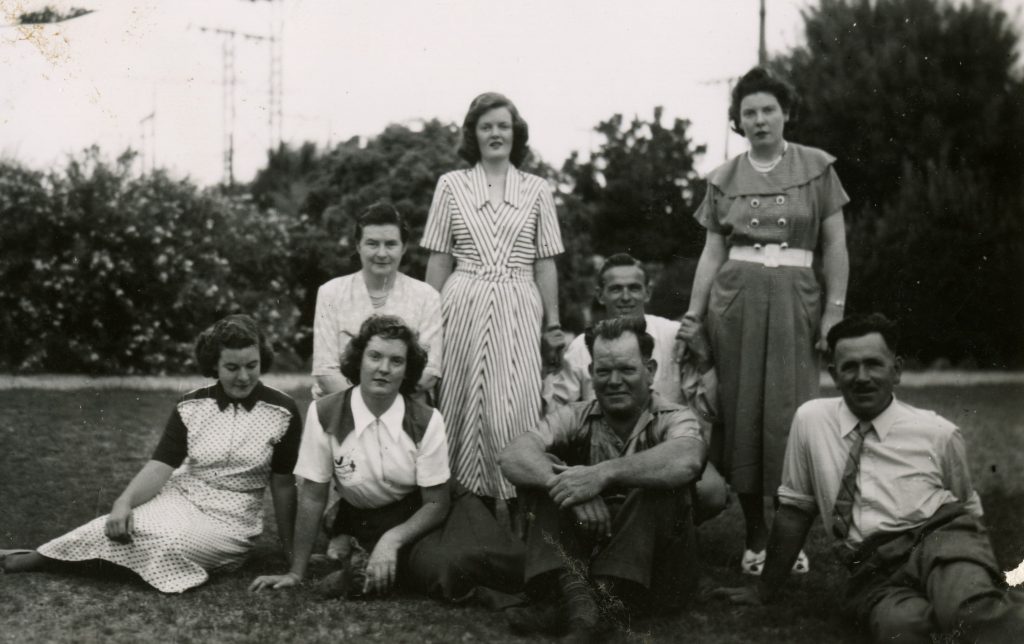
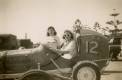
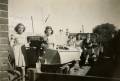
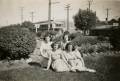
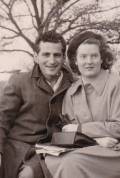
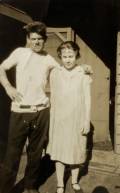
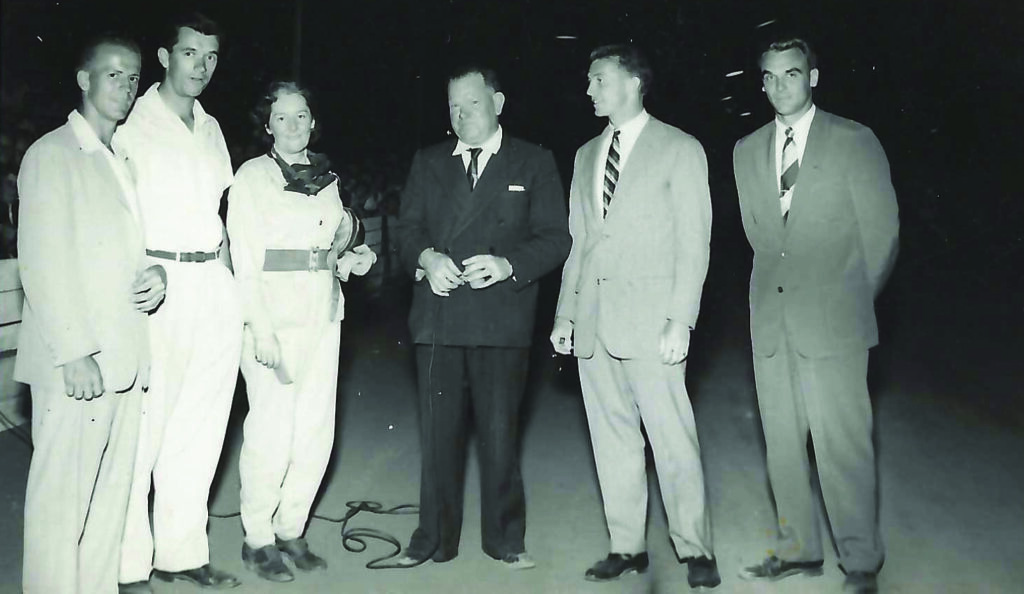
8th February 1952. Photo courtesy of Bette’s daughter Jennifer Mitchell.
Dot’s Later Life
In 1956, Alf and Dot moved to the Gold Coast, where they stayed for the next 17 years. Alf ran a mini-bus tours business, and he and Dot also bought a flat which they rented out. They lived at 4 Surf Parade, Broadbeach and, after about 5 years, moved to 3/70 Hill Avenue, Burleigh Heads. They renovated and improved both properties.
They also acquired a fun parlour (amusement arcade) at Burleigh Heads, which Dot operated whilst Alf continued running mini-bus tours. As may be expected, the fun parlour business was extremely busy in the December-January school holidays.20 Alf and Dot sold that business in mid-1970.
In 1973, the couple moved back to South Australia. They bought, and lived at, 23 Dodd Avenue, Port Noarlunga, where Dot never allowed Alf to have alcohol in the house, or even to put beer in the fridge.
Alf did a lot of trips during this period. He bought a Commer van and fitted out the cargo area with a bed, cupboards, sink, etc, much like a small mobile home but with no shower or toilet. Often he had one or other of his grandsons Steve Palyga or Andy Guidera join him on these month-long (or longer) sojourns.
The van’s original four cylinder engine was seriously underpowered, and going up long hills on busy roads it would slow down and collect a conga line of cars behind. So, being a motor mechanic, in 1973, Alf dropped a 149 cubic inch “red” motor and 2-speed automatic gearbox out of a Holden into the Commer to fix the problem. Alf and Dot wrote to each other regularly when he was on these trips. Dot always sent Alf away with a wad of “SAEs” (stamped, addressed envelopes). With each letter, Alf had to note the number of SAEs he had left. When they got low, she would send another wad. No doubt this primed him to write often.
In 1980, at age 78, Dot made her first (and last) overseas trip. She went to England together with her daughter Barbara, and her granddaughter Angela Guidera. The trio, together with Trish and Andrew Swincer and their baby Rebecca, also travelled to Rome. Angela says that Dot really wanted to visit the Vatican, no doubt to fulfill a lifelong dream, being a novitiate and a devout Catholic. Unfortunately, Dot was the subject of an attempted handbag snatch there.
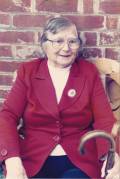
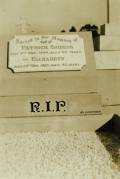
As they went past 80, Alf and Dot moved from the house in Port Noarlunga to a retirement village in Panorama. Dot started to succumb to dementia, and was placed in the Masonic Nursing Home at Diagonal Road, Somerton Park. Dot’s daughter Bette said that, on visiting her, Dot would often speak in French instead of English.21 She died at the Nursing Home on 3rd July 1994. Her ashes are interred under a plaque at Individual Tree 17, Acacia Court Gardens, Centennial Park Cemetery, Pasadena.
At Dot’s funeral, her grandson David Palyga delivered a perfect snapshot of Dot the person:
“Her daughters remember their mother as one who was long on listening, but short on offering unsolicited advice, and certainly that is how I remember her. Nana retained her interest in current affairs until well into her eighties and enjoyed debating a variety of issues, and did so with considerable skill. Always a private person, Dorothy would charm those with whom she came in contact with by her innate politeness and gentle humour.”
| 20 | As Dot noted in a letter to her sister Josie Scarra dated 15th January 1962. |
| 21 | The phenomenon of dementia “language regression”, where a language acquired early in life is deeply embedded in the brain’s long-term memory, whereas more recently acquired knowledge is less deeply ingrained, and typically the first to be compromised by nerve cell failure. |